ADVERTISING/MARKETING/BRANDING:
How to Build a Legendary Haunt Character
That Fans Remember, Fear, and Return to See Again
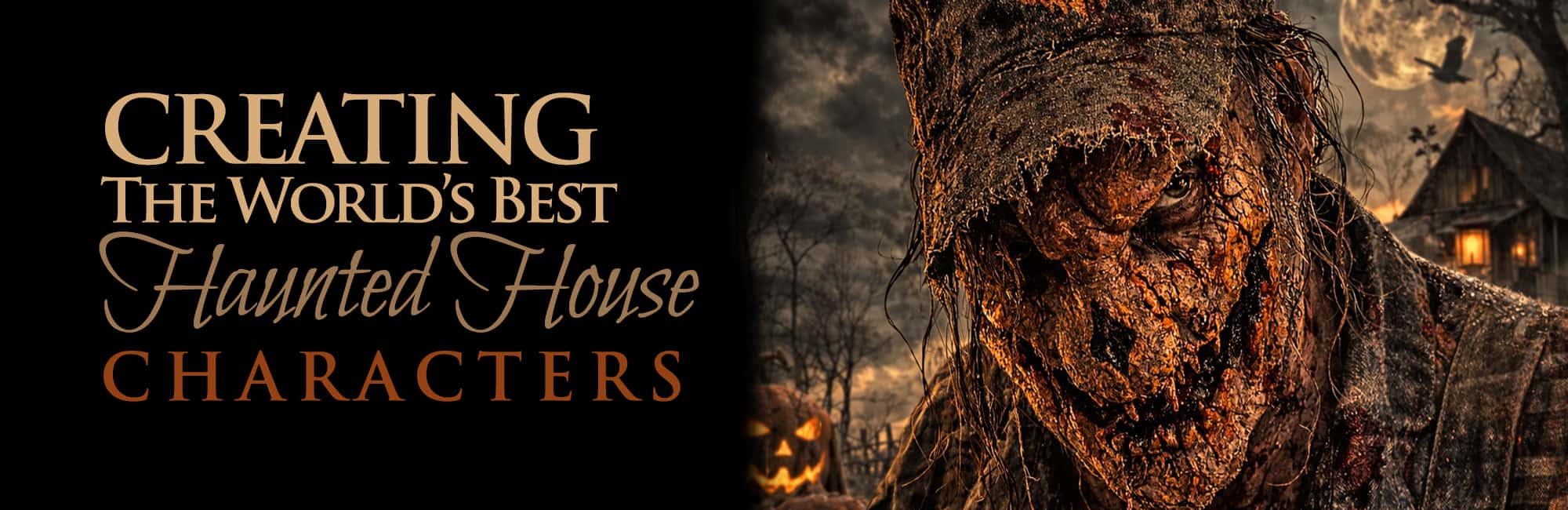
Some of the most memorable haunted attractions are not defined by a single room, prop, or scare—they are defined by a face. A signature character can become the visual soul of a haunt, giving its marketing more power, its story more focus, and its brand a stronger sense of identity. Whether that figure lives only in artwork and advertising or eventually steps into the attraction as a live performer, the process of creating it should be intentional. The strongest characters are not random. They are built.
Most Every Haunted House Has Monsters.
Very Few Of Them Have A Face.
That distinction matters more than many owners realize. In an industry filled with chainsaws, clowns, masks, blood, fog, and familiar horror tropes, what often separates a good attraction from a truly memorable one is not just the quality of the scares — it is the strength of the identity behind them. And one of the most effective ways to build that identity is through a signature character.
The right character can do far more than decorate a poster or fill space on a website banner. It can become the visual anchor of the attraction. It can shape the tone of your marketing, sharpen your storyline, strengthen brand recognition, and give guests something specific to remember, talk about, photograph, and return for. In some cases, it may even evolve beyond the promotional side of the business and become a live performer inside the haunt — a recurring presence that helps define the experience itself.
A Good Haunted House Can Create Fear.
A Great Haunted House Also Creates Brand & Recognition.
Many haunt owners create characters mainly for marketing, and that makes perfect sense. A strong visual concept can carry enormous value across social media, posters, print pieces, video teasers, ticket pages, merchandise, and branded artwork. But whether the character stays in the marketing lane or eventually steps into the attraction as a live actor role, the development process should be taken seriously. The strongest haunt characters are not random. They are built.
TAKING THE RIGHT STEPS AT THE RIGHT TIME
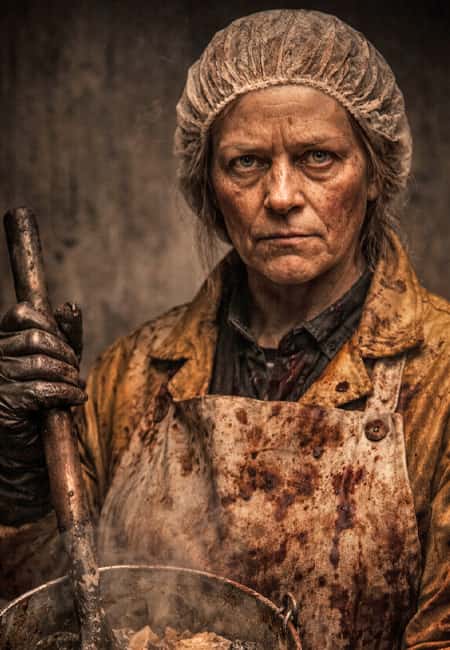
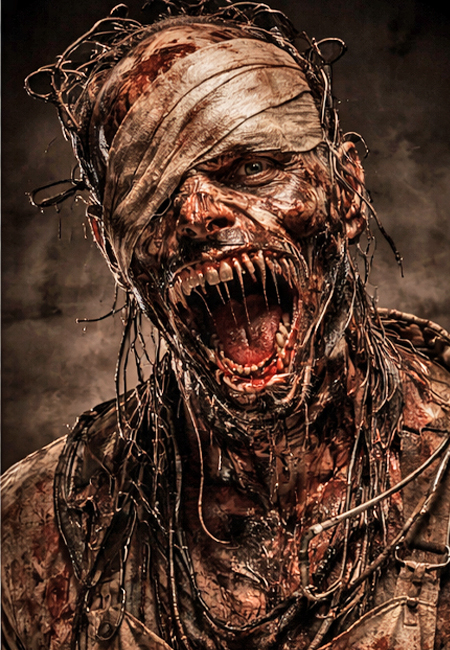
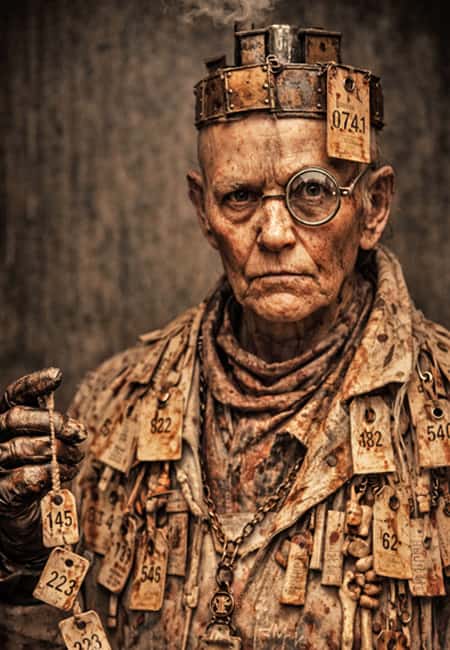
Before building, propping, costuming, purchasing masks and effects, or doing much of anything else, the creative team at Fear Itself started developing their icon characters for a new Slaughterhouse-style attraction.
Their approach was to first focus on: 1. the Theme, 2. the General Backstory of the attraction, 3. what kind of characters were needed to make the story come alive, and finally, 4. the Character Development.
Since there are so many "Slaughterhouse Attractions" in the industry, they knew that character development (especially icon characters) was going to be a significant issue if they wanted to create a unique attraction and not just another "Me Too." This is a great approach if you want to develop icon characters that will have a huge impact from the very moment you open your attraction doors.
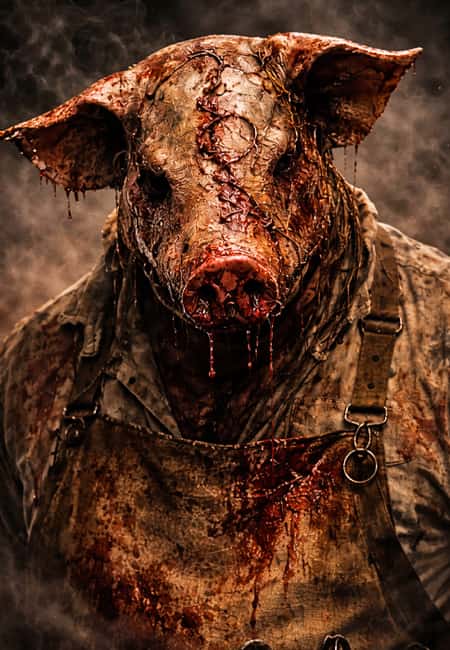
BUTCHER
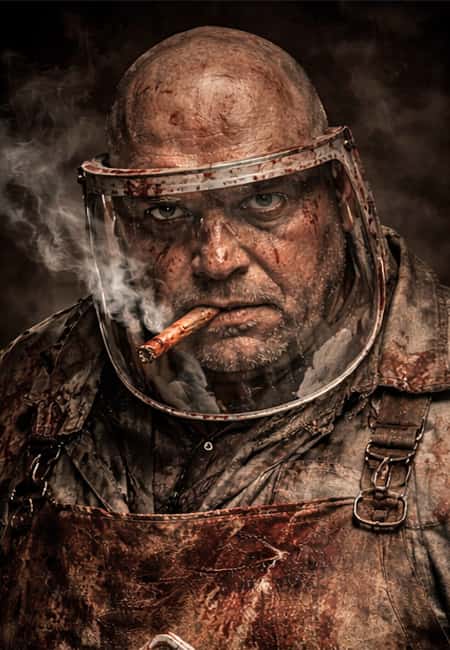
FOREMAN
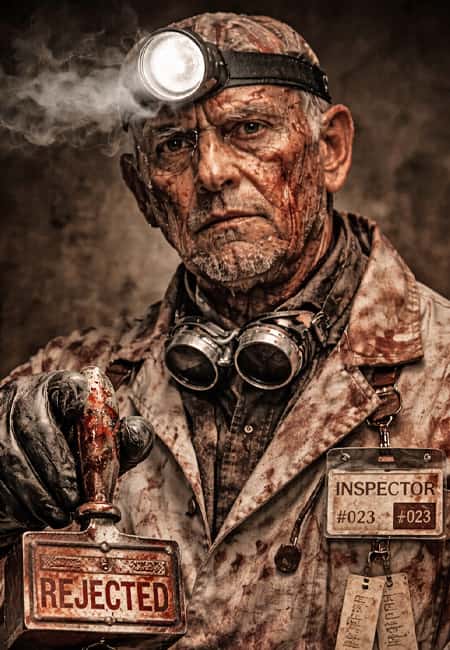
INSPECTOR
FEED LADY
GRINDER VICTIM
MOTHER
Purpose Before Appearance
One of the most common mistakes in haunt character development is starting with aesthetics alone. A weapon gets chosen first. Or a mask. Or a costume idea. Or a familiar archetype like a clown, butcher, scarecrow, or reaper. Then the creator tries to build a character backward from that image. Sometimes that produces something usable. It rarely produces something iconic.
A better approach is to begin with the role the character is supposed to play. Is this the face of the attraction? A central villain tied to the backstory? A figure designed mainly for your website and posters? A mascot-like presence who hosts the season from a branding standpoint? A scene-specific monster? A live performer meant to interact with guests? A looming symbolic figure who represents the spirit of the haunt more than the literal story? Those questions matter because a character designed for marketing is not always built the same way as one designed for performance. Some characters need to read instantly in a poster or social thumbnail. Others need to function under fog, darkness, movement, and real guest interaction. The best concepts may be able to do both — but only if the intended purpose is clear from the beginning.
Before Anything Else, Ask Yourself: What Is This Character Here To Do?
Develop Your Character Concept Around One Very Sound Idea
The most effective haunt characters usually do not begin with ten ideas. They begin with one. One strong concept. One clean direction. One central visual or emotional hook. That does not mean the final design will be simple. It means the concept is focused. A clown is not enough. A scarecrow is not enough. A grim reaper is not enough. A farm killer is not enough. What makes the character memorable is the twist that makes it belong to your attraction. Maybe the scarecrow was once human. Maybe the clown’s face was surgically widened. Maybe the reaper collects carved lanterns instead of souls. Maybe the farm killer’s scar tissue resembles the segmented ridges of a pumpkin because he himself was once carved. That is when the character begins to move away from trope and toward identity.
If you cannot describe the concept in one or two strong sentences, it may not be focused enough yet. The tighter the core idea, the easier it becomes to build the face, costume, props, marketing, and performance around it.
Give Your Character A Story That Explains The Design
A strong haunt backstory does not need to be long. It needs to be useful. Its job is not just to exist for lore’s sake. Its job is to justify the character's visual language. Who was this person before? What happened to them? Why do they look this way? Why are they dangerous now? What do they want? Why do they belong in this attraction and not some other haunted house down the road? Those answers should directly influence the design. If the face is marked by a certain kind of damage, the story should explain it. If the wardrobe feels rural, funeral, religious, industrial, childlike, medical, or ritualistic, the story should support that choice. If the character carries a lantern, a doll, a shepherd’s hook, a carving knife, a bell, or a child’s keepsake, there should be a reason it matters. That is part of what makes a character feel real. Not realistic in the everyday sense, but internally believable within the world of the attraction.
Guests may never read the full backstory, but they will often feel whether the design has meaning behind it or not.
Think In Silhouette Before Detail
Many haunt owners fall in love with details too early. Skin textures. Tiny cracks. Layered accessories. Paint patterns. Fine prosthetic lines. Those things absolutely matter — but only after the larger shape is working. An iconic character needs to read from a distance. If the figure were reduced to a black silhouette, would it still feel distinct? Would someone recognize the shape? Would the outline alone feel memorable?
These are not minor questions. Silhouette matters in almost every place a signature character is likely to appear: posters, banners, logos, teaser graphics, video thumbnails, nighttime entrances, live scene reveals, and social media content. It matters inside the haunt, where guests may catch only a partial glimpse in low light. It matters in branding, where the shape may need to carry recognition before the details are even visible. Distinct height, broad or narrow proportions, strange posture, exaggerated shoulders, a recognizable hood or hat, a lantern, a hook, a cane, a cleaver, a staff, asymmetry, or one bold visual shape can all help strengthen the silhouette.
An Iconic Character Should Have Presence Before Guests See Details. If The Character Only Works When Every Detail Is Visible, Your Character Is Not Strong Enough.
Design Your Character With Restraint
This is where many haunt characters either become unforgettable or become overworked. The temptation is understandable. Faces are emotional. Faces are personal. Faces are where horror artists often want to do the most. But too much design can actually weaken the result. If every inch of the face is crowded with cuts, stitches, burns, teeth, textures, and unrelated grotesque details, the character may stop feeling specific and start feeling noisy. The strongest face designs usually revolve around one dominant idea. That idea could be carved scar tissue. Half-healed burns. Ritual stitching. Cracked, weathered skin. One damaged eye. Facial collapse. Distorted symmetry. A smile widened in one deeply unsettling way. The point is not to add everything. The point is to choose the right thing and build around it. For many haunt characters, the best results come from staying closer to human than monster. That may sound counterintuitive, but it often makes the design more disturbing. People are unsettled when they can still see traces of the person underneath — when the face feels damaged, warped, or transformed rather than simply replaced by fantasy creature anatomy.
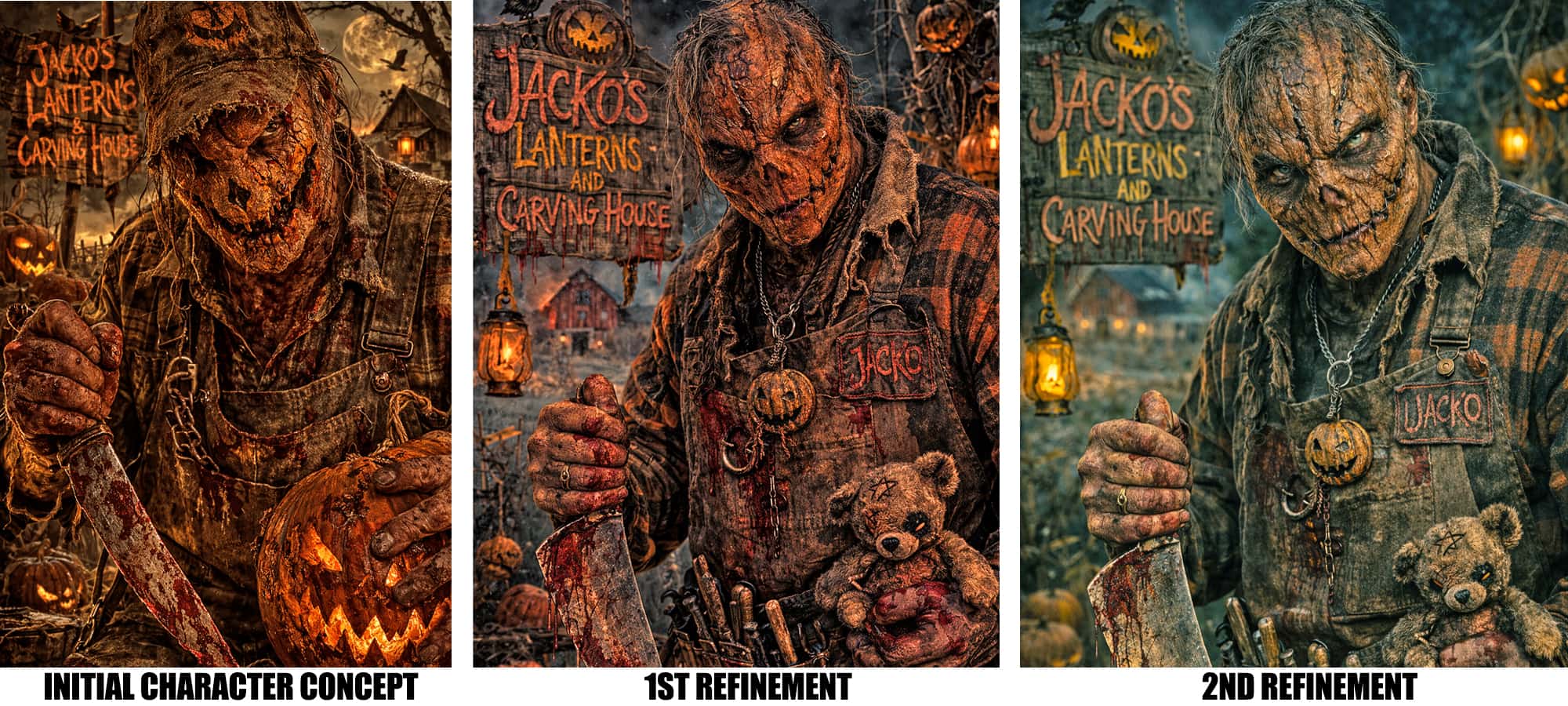
An example of this is Jack's Lanterns & Carving House at Fear Itself. They have been working on the concept for over three years and are still refining parts of the new gigantic attraction. Their main character is a serial killer who was left for dead when thugs jumped his family on a Halloween night during the family's Trick or Treating. The thugs killed the family except for Johnny (Jack), but cut his face to shreds, somewhat resembling a pumpkin. Most haunted House owners would have used a character with a bright orange pumpkin mask as their icon character. Instead, the Fear Itself creative team backed off the whole pumpkin idea. They made certain that the skin carries subtle orange-brown undertones, the scar patterns echo the segmented lines of a pumpkin, and the facial damage suggests carving rather than creature design. The idea becomes much stronger because it was cleverly understated. Suggestion is often more powerful than overstatement.
Create A Memorable Visual Cue
Most signature characters benefit from one element audiences quickly associate with them. Not a dozen. One.
A lantern. A crooked tool. A stitched doll. A key ring. A child’s pumpkin pail. A veil. A noose. A shepherd’s hook. A collar. A strange charm. A butcher’s apron. A ceremonial object. A specific headpiece. A distinct piece of jewelry. A relic tied to the story.
The best version of this detail does two things: it supports the backstory, and it photographs well. It should help the character feel more complete in images, stronger in silhouette, and more memorable in motion. It can also give the performer something physical to work with if the character ever becomes live.
A family-friendly Halloween event with darker edges will have very different character needs than an extreme adult attraction. The character should feel like it belongs in the same world as the logo, the website, the print pieces, the trailers, the social media content, and the physical haunt itself. When that alignment is strong, the character becomes far more usable and far more valuable.
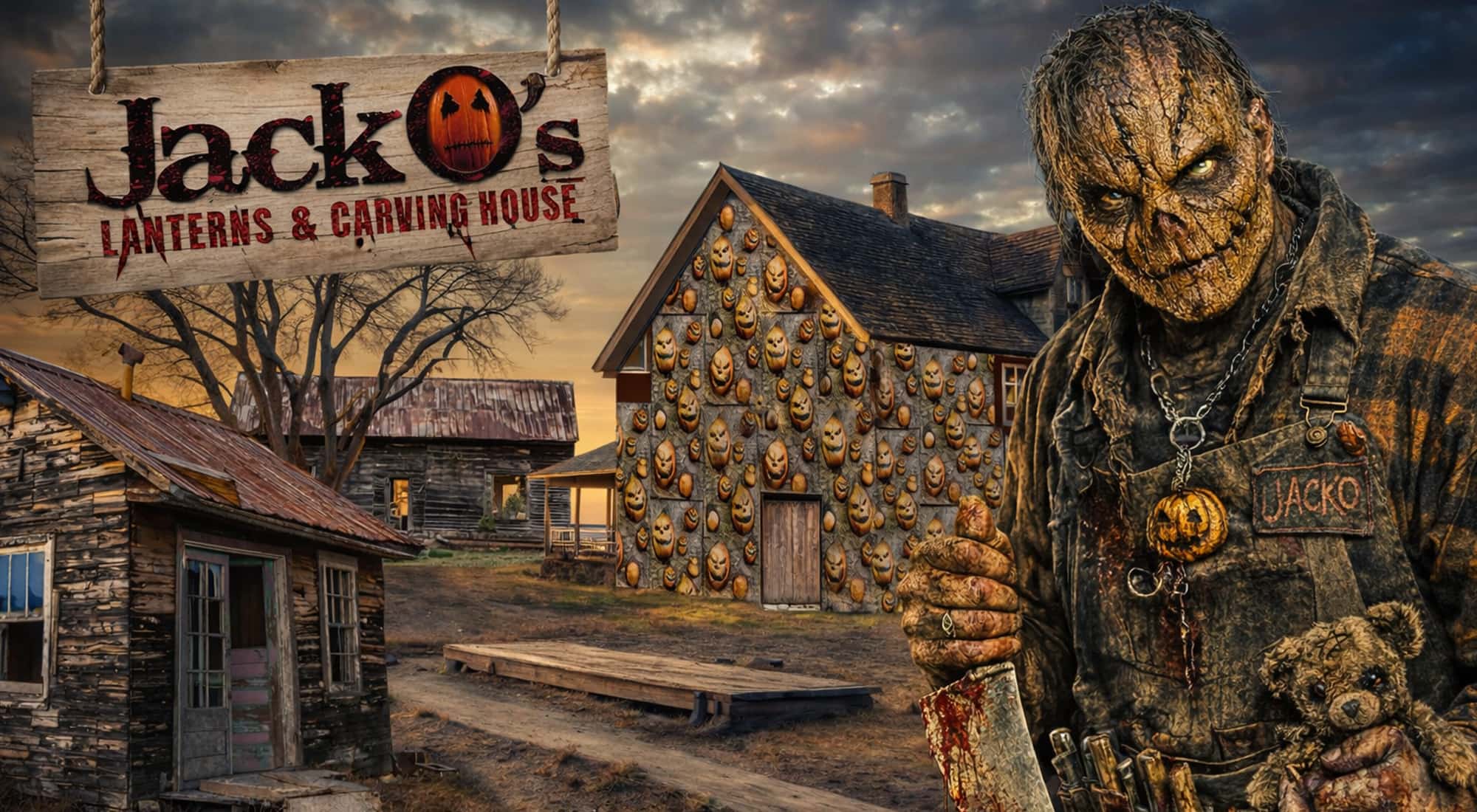
Develop Your Character Concept Around One Very Sound Idea
The most effective haunt characters usually do not begin with ten ideas. They begin with one. One strong concept. One clean direction. One central visual or emotional hook. That does not mean the final design will be simple. It means the concept is focused. A clown is not enough. A scarecrow is not enough. A grim reaper is not enough. A farm killer is not enough. What makes the character memorable is the twist that makes it belong to your attraction. Maybe the scarecrow was once human. Maybe the clown’s face was surgically widened. Maybe the reaper collects carved lanterns instead of souls. Maybe the farm killer’s scar tissue resembles the segmented ridges of a pumpkin because he himself was once carved. That is when the character begins to move away from trope and toward identity.
If you cannot describe the concept in one or two strong sentences, it may not be focused enough yet. The tighter the core idea, the easier it becomes to build the face, costume, props, marketing, and performance around it.
Design It As A Marketing Asset From Day One
This is one of the most overlooked steps in haunt character development.
Because many iconic haunt characters are created primarily for promotional use, they should be judged not only as creatures but as visual assets. Can the character work in a close-up? Can it work as a waist-up crop? Can it work full body? Does it read in horizontal banner format? Can it be used vertically for posters and phone screens? Does the face stay recognizable under different lighting conditions? Will it still feel strong if used repeatedly through the season?
A concept that only works in one perfectly staged image has limited value. A truly useful character can appear again and again — in posters, social graphics, countdown posts, website headers, teaser videos, digital ads, email campaigns, merchandise, and signage — while still feeling distinctive.
That is when a character begins to earn its keep.
Test To Ensure Your Character Is Not Too Generic
This may be the most important checkpoint in the process.
Ask the hard question: could this character belong to almost any haunt?
If the answer is yes, then the concept probably needs another round of thinking. That does not mean it has to be wildly original in every respect. Haunt characters still live within recognizable horror traditions. But the best ones combine familiar archetypes with a specific enough story, shape, mood, and visual language that they begin to feel ownable.
Sometimes the solution is a better silhouette. Sometimes it is a more focused backstory. Sometimes it is pulling the design back instead of pushing it further. Sometimes it is one stronger prop or one smarter wardrobe choice.
Iconic Characters Are Not Always The Busiest. They Are Usually The Most Obvious.
Decide Whether the Character Should Become A Live Actor
Not every signature character belongs inside the actual haunt as a performer. Some are at their best as marketing icons — creatures built to sell the season, define the brand, and appear in polished visual campaigns.
But if the concept is strong enough, turning it into a live role can be one of the most powerful creative decisions an attraction makes. That transition requires honesty.
Can a performer actually wear the look for long periods? Can they see, breathe, move, and scare safely? Can the face be recreated consistently? Will the silhouette hold up under live lighting and fog? Does the costume still work in motion? Can the prop be used practically? If the character is meant to be 7 or 8 feet tall, how will that be achieved — stilts, lifts, shoulder structure, head build, or something else?
A lot of great concept imagery never becomes a viable haunt character because no one tested the practical side early enough.
Adapt Your Design For Real-World Performance
When a character moves from artwork to actor, some changes are almost always necessary. That is not a compromise. It is simply good design.
The live version should preserve the concept's identity, but it does not need to replicate every tiny detail. In fact, trying to do so often weakens the result. Real haunted houses are dark, chaotic, loud, and fast-moving. Guests do not stand under perfect studio light examining texture work for thirty seconds. They register shape, movement, face, attitude, and a few powerful details.
That usually means the live version should be simplified in smart ways. The silhouette may need to be larger. The face may need bolder reads. The costume may need better mobility. The prop may need to be safer or easier to control. The design may benefit from fewer but stronger ideas.
The Goal Is Not Exact Duplication. The Goal Is To Preserve The Character. preserve the character.
Train Your Actor To Become Your Character
This is where the concept stops being artwork and becomes myth. The best live haunt characters are not just costumes worn by whoever happens to be available that night. They are performed identities. If the character matters to the brand, the performer should know how they move, stand, breathe, hold silence, use props, get close to guests, and project an emotional tone.
Do they stalk or glide? Twitch or loom? Do they feel ceremonial, cruel, chaotic, patient, predatory, tragic, playful, or relentless? Are they a talker or a silent presence? What makes them feel this character and not just any actor in horror makeup?
If multiple actors may play the role, the standards should be even clearer. Reference images, movement notes, costume standards, makeup direction, and performance rules can all help protect the integrity of the character. That consistency is what turns a good idea into a lasting signature.
A Costume Does Not Create A Character. Performance Does.
Use Your Character Often And With Intent
Once a haunt has a strong signature character, it should not disappear after one poster or one social post. Use it across the season. Use it where it reinforces the story. Use it where it strengthens the brand. Let the audience see it enough times that the face, silhouette, or prop starts to register instantly. That may include website hero images, social campaigns, teaser videos, countdown graphics, print ads, ticket pages, on-site banners, merchandise, scene intros, lore posts, and photo opportunities. The character should become part of the attraction’s visual language. That is how recognition becomes memory.
Allow Your Character To Evolve
The first version of a signature character does not have to be perfect.
Some of the most successful haunt icons are refined over multiple seasons. The face gets stronger. The costume gets cleaner. The backstory sharpens. The actor finds the right movement. Marketing reveals which images connect best. A prop changes. A silhouette improves. A good character becomes a great one through iteration.
That is normal. That is part of the process.
What matters is starting with a concept that is strong enough to survive refinement. Because while most haunted house scares are fleeting by nature, an iconic character can last. It can become part of the attraction's identity. It can help define how the event is perceived, remembered, and discussed. And for many haunt owners, that may be one of the smartest creative decisions they ever make.
When A Character Becomes Part Of The Brand, It Stops Being A Decoration And Becomes Part Of Your Identity. This Is Where You Play At The Next Level.
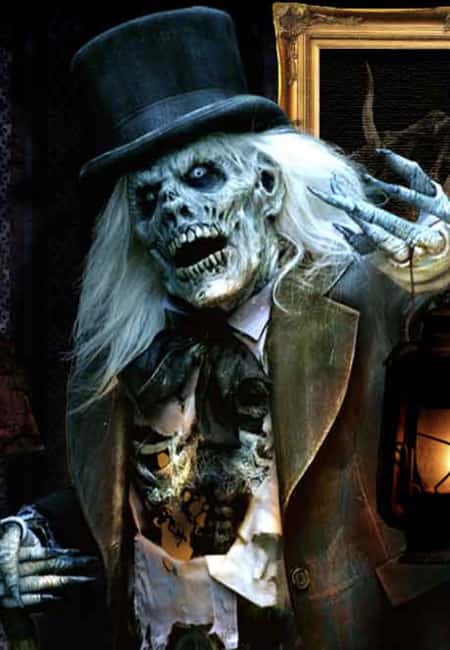
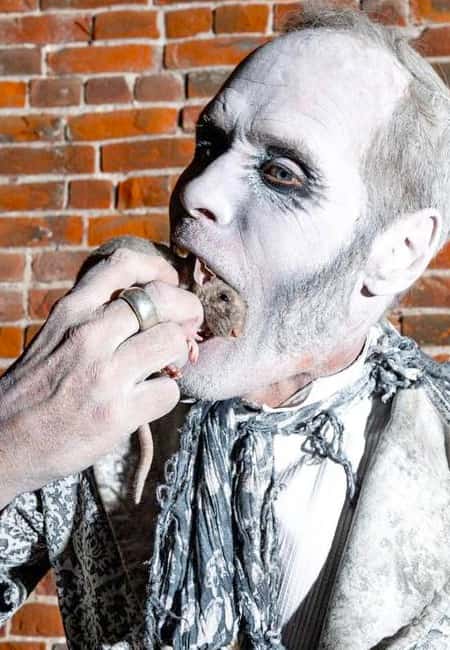
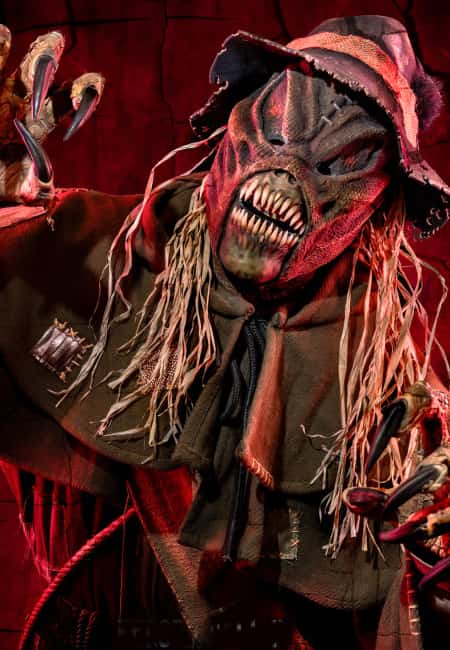
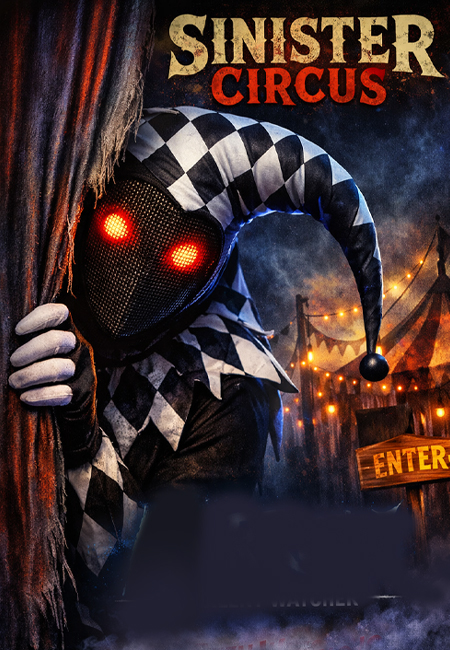
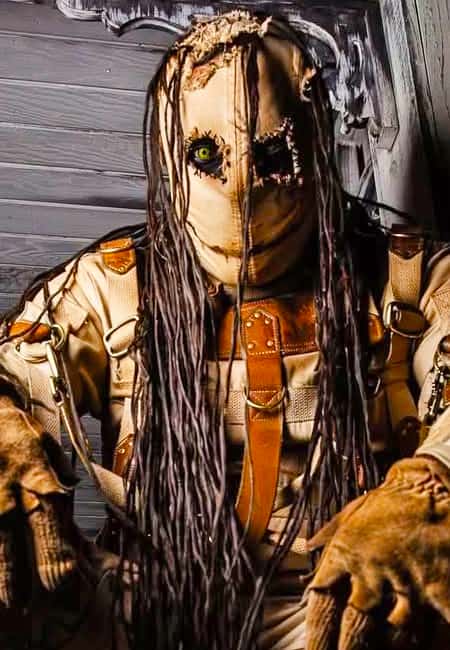
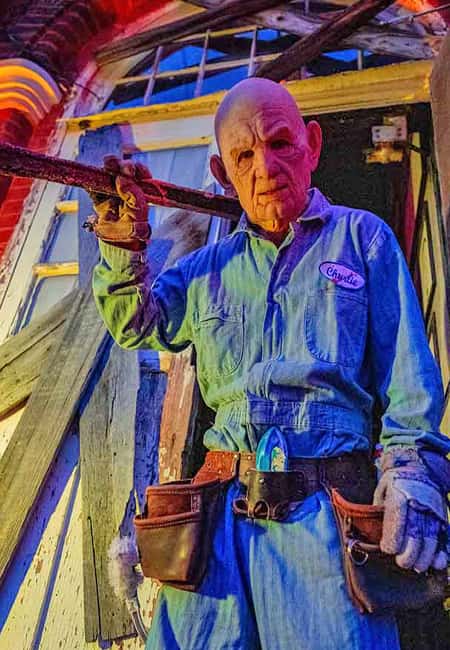
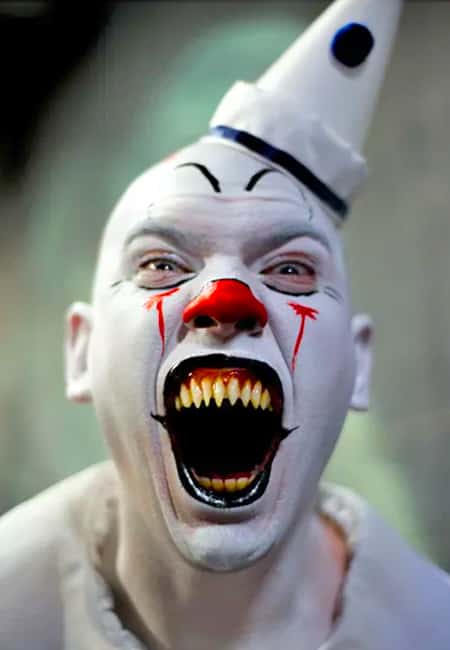
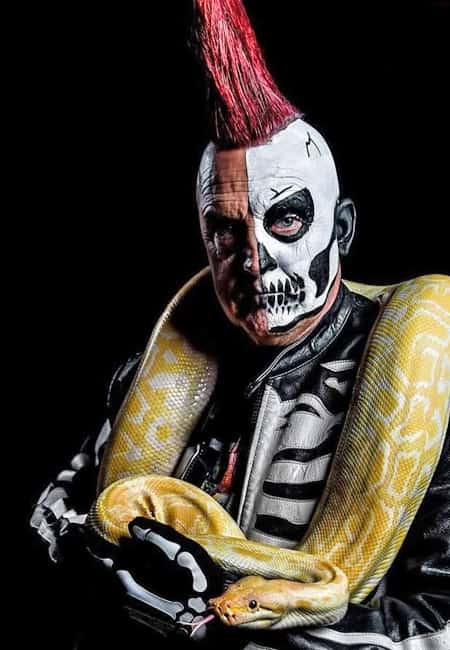
Icon Characters That Work!
Pictured are some of the top rated Iconic Characters in the Haunt Industry. These characters have been developed and refined over several years. Most of them have back stories, specific props, identities, costumes, voices, and a consistent look. Many of these have turned into live actors, which inevitably brings even more to the brand.